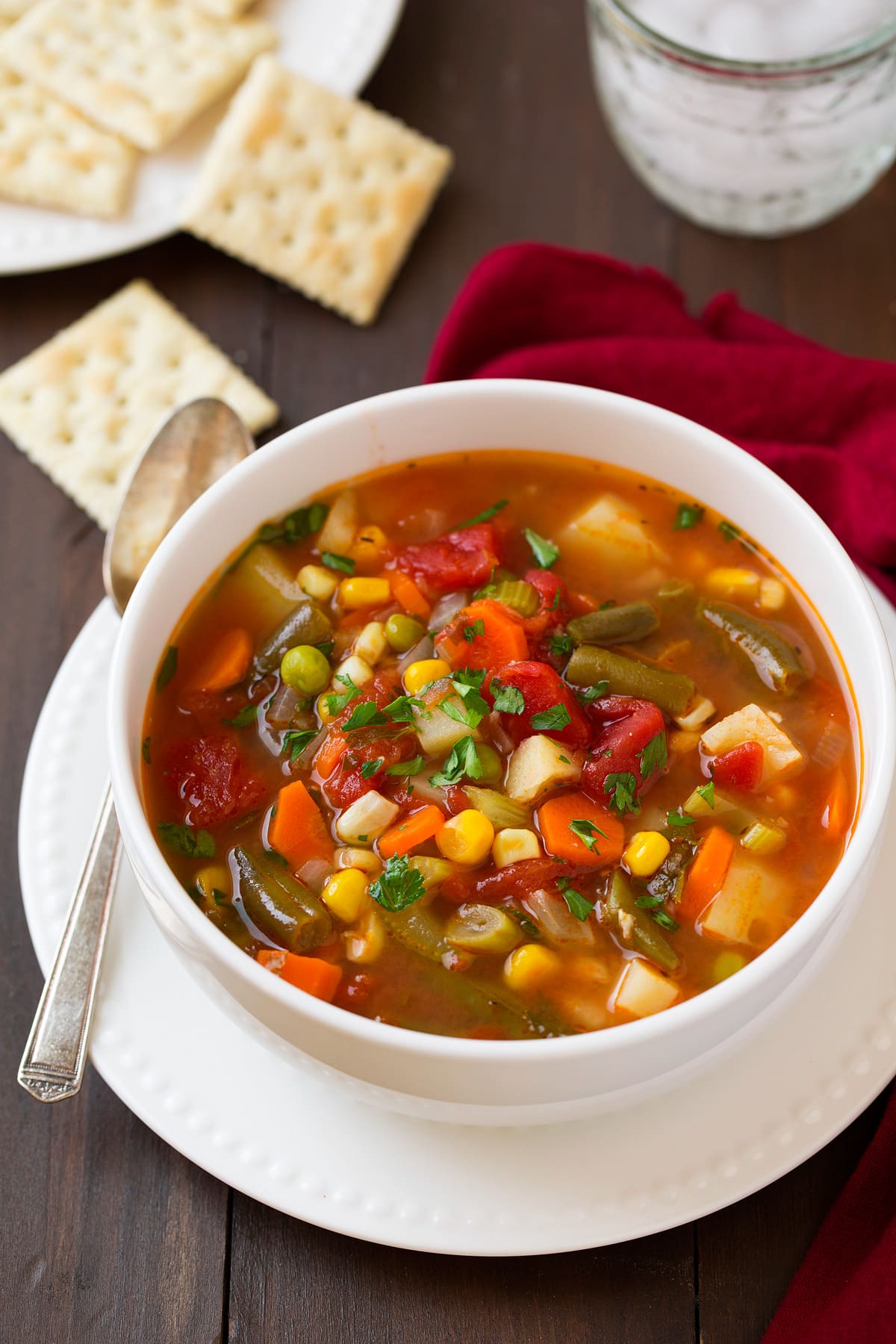
There's an undeniable magic to a steaming bowl of homemade vegetable soup. It's more than just a meal; it's a hug in a bowl, a nourishing elixir that warms you from the inside out. Forget the lackluster experience of canned versions; a homemade easy vegetable soup recipe bursts with vibrant flavors, fresh ingredients, and the satisfaction of knowing exactly what goes into it. Whether you're seeking a healthy reset, a comforting antidote to a cold day, or simply a delicious dinner, making your own vegetable soup is a culinary triumph.
The beauty of homemade vegetable soup lies in its incredible versatility. It adapts to your schedule, your ingredient preferences, and even your kitchen gadgets. From the gentle simmer of a stovetop pot to the set-it-and-forget-it convenience of a slow cooker, or the lightning-fast efficiency of an Instant Pot, there's a method for everyone. This comprehensive guide will walk you through crafting the ultimate vegetable soup, ensuring every spoonful is packed with goodness and delightful taste.
The Unrivaled Comfort and Health Benefits of Homemade Vegetable Soup
What makes homemade best vegetable soup so consistently popular? It’s a perfect storm of health benefits, comforting warmth, and incredible flavor. Unlike its store-bought counterparts, homemade vegetable soup allows you to control the sodium, preservatives, and quality of every ingredient, making it a truly wholesome choice.
- Nutrient Powerhouse: Packed with a rainbow of vegetables, this soup delivers essential vitamins, minerals, and antioxidants. Each spoonful contributes to your daily vegetable intake, supporting overall health and boosting your immune system.
- Fiber-Rich and Satisfying: The high fiber content from the diverse vegetables helps you feel full and satisfied, making it an excellent option for weight management or simply a nourishing meal that keeps hunger at bay.
- Hydrating and Restorative: With a significant liquid base, vegetable soup is wonderfully hydrating, especially beneficial when you're feeling under the weather or just need a pick-me-up.
- Customizable Comfort: There's a deeply personal comfort in tailoring a soup to your exact preferences. From the tenderness of the vegetables to the balance of seasonings, homemade soup is a culinary expression of care.
- Economical and Eco-Friendly: Making a large batch is often more cost-effective than buying individual meals. Plus, it’s a fantastic way to utilize leftover vegetables, minimizing food waste and maximizing flavor.
Beyond its health credentials, a warm bowl of homemade vegetable soup simply feels good. It's the ultimate cozy meal for chilly evenings, a gentle remedy for a sore throat, or a healthy reset after indulgent days. It yields a generous pot, ensuring delicious leftovers that often taste even better the next day, and it freezes exceptionally well, ready for a quick and healthy meal whenever you need it.
Building Your Bowl: Essential and Flexible Ingredients for Vegetable Soup
The beauty of vegetable soup lies in its flexibility. While a core set of ingredients provides a fantastic foundation, you can truly make it your own based on what’s in season, what you have on hand, or what your family loves. Think of this as a guideline, not a strict rulebook.
The Foundational Five (and a few more)
Most great vegetable soups start with a classic base of aromatics and sturdy vegetables. Here’s a common starting point:
- Aromatics: Yellow onion and garlic create the essential flavor base. Sautéing them properly is key to building depth.
- Root Vegetables: Carrots and celery provide sweetness, texture, and a classic flavor profile. Potatoes (or sweet potatoes for a twist) add hearty substance and creaminess.
- Tomatoes: Diced or crushed tomatoes provide a tangy, acidic backbone that brightens the soup.
- Green Beans: These add a lovely snap and fresh green color.
- Corn and Peas: Often added towards the end, they contribute sweetness and vibrant color. Using frozen varieties is perfectly acceptable and convenient.
Embracing Seasonal and Personal Touches
This is where you can truly personalize your vegetable soup:
- Leafy Greens: Stir in fresh spinach or kale during the last few minutes of simmering. Their delicate leaves wilt beautifully and add extra nutrients.
- Autumn Flavors: For a cozy fall version, swap some of the potatoes for diced butternut squash or sweet potato. Their natural sweetness is a delightful addition.
- Legumes for Protein: To boost the protein and make it a more substantial meal, add a can of rinsed kidney beans, cannellini beans, or even lentils. Add them early with the broth to allow them to meld with the flavors.
- Fresh vs. Frozen: Embrace the best of both worlds! During summer, when farmer's markets are overflowing, use all fresh produce. For convenience, especially out of season, a mix of fresh and pre-cut frozen vegetables (like corn, peas, or green beans) works wonderfully without sacrificing flavor or nutrition.
Remember, the goal is a harmonious blend of flavors and textures. Don't be afraid to experiment with what you have in your fridge or pantry!
Mastering Your Kitchen: Stovetop, Slow Cooker, and Instant Pot Vegetable Soup
One of the most appealing aspects of homemade vegetable soup is its adaptability to different cooking methods. Each offers unique benefits, allowing you to choose the best option for your schedule and desired outcome.
Stovetop: The Classic Approach
The stovetop method is traditional, allowing you to control every stage of simmering and flavor development. It’s perfect for those who enjoy the hands-on process of cooking.
- Sauté Aromatics: In a large pot or Dutch oven, heat a tablespoon of olive oil. Add diced yellow onion, carrots, and celery, sautéing until softened (about 5-7 minutes). Add minced garlic and cook for another minute until fragrant. This step builds the crucial flavor base.
- Build the Soup: Add your sturdy vegetables like diced potatoes, green beans, diced tomatoes (undrained), and your choice of herbs (dried herbs can go in now). Pour in high-quality vegetable broth. Season with salt and freshly ground black pepper.
- Simmer to Perfection: Bring the soup to a boil, then reduce heat to a gentle simmer. Cook, partially covered, for 20-30 minutes, or until all vegetables are fork-tender.
- Final Touches: Stir in delicate vegetables like frozen corn and peas during the last 5-10 minutes. If using fresh spinach or kale, stir them in right at the end until just wilted. Taste and adjust seasonings.
Pro Tip: A longer, slower simmer on the stovetop often allows flavors to meld more deeply, resulting in a richer soup.
Slow Cooker: Set It and Forget It Comfort
Ideal for busy days, the slow cooker method delivers deeply flavorful soup with minimal effort. The extended cooking time allows flavors to fully develop.
- Optional Sauté: For an extra layer of flavor, quickly sauté onions, carrots, and garlic in a skillet before adding them to the slow cooker. While not strictly necessary, it enhances the aromatic base.
- Combine Ingredients: Add all your prepped vegetables (except quick-cooking ones like peas, corn, or leafy greens), diced tomatoes, herbs, broth, and seasonings to the slow cooker insert.
- Cook Low and Slow: Cook on HIGH for 3-4 hours or on LOW for 6-8 hours, or until vegetables are tender.
- Finishing Touch: Stir in frozen peas, corn, or fresh greens during the last 30 minutes of cooking.
Pro Tip: The slow cooker excels at breaking down tougher vegetables and allowing herbs to infuse thoroughly, creating a wonderfully integrated flavor profile.
Instant Pot: Speed and Efficiency
When time is of the essence, the Instant Pot is your best friend. It transforms raw ingredients into a hearty soup in a fraction of the traditional cooking time.
- Sauté Function: Use the "Sauté" function on your Instant Pot to cook onions, carrots, and celery in a little olive oil until softened. Add garlic and cook for another minute.
- Deglaze and Add: Pour in a splash of broth or water to deglaze the pot, scraping up any browned bits from the bottom. Then add all other vegetables (except quick-cooking items), diced tomatoes, herbs, and remaining broth.
- Pressure Cook: Securely lock the lid and set the manual pressure cook time. For tender-crisp vegetables, 5-7 minutes on high pressure is often sufficient. For softer vegetables, 8-10 minutes.
- Release Pressure and Finish: Once cooking is complete, perform a quick release or natural pressure release (depending on desired texture). Stir in frozen peas, corn, or fresh greens, allowing the residual heat to cook them through.
Pro Tip: Be mindful of liquid levels in the Instant Pot; do not overfill. The pressure cooking intensifies flavors quickly, so taste and adjust seasoning carefully at the end.
Elevating Your Vegetable Soup: Flavor Enhancers and Perfect Pairings
While the vegetables themselves are the stars, a few thoughtful additions can transform a good vegetable soup into an extraordinary one. Don't be afraid to experiment with these flavor boosters to find your perfect balance.
Beyond Salt and Pepper: Herbs and Spices
A mild seasoning blend lets the natural sweetness of the vegetables shine, but adding extra herbs and spices can introduce incredible depth and complexity:
- Classic Herbs: Fresh or dried basil, thyme, oregano, and marjoram are excellent choices. Add dried herbs early with the broth, and stir in fresh herbs at the very end for maximum aroma.
- Herb Blends: A teaspoon of Italian seasoning or Herbes de Provence can instantly elevate the soup with a harmonious mix of flavors.
- A Touch of Heat: A pinch of red pepper flakes adds a gentle warmth and subtle kick without overpowering the other ingredients.
- Warmth and Earthiness: Paprika, a touch of cumin, or even a mild curry powder can introduce a wonderful depth, especially if you're using root vegetables or sweet potatoes.
- Umami Boost: For an incredible savory depth, add a discarded parmesan cheese rind to the pot while the soup simmers. Remove it before serving. The rind slowly releases umami, enriching the broth.
Acidity and Brightness
A final touch of acidity can brighten the entire soup, balancing the flavors and making them pop:
- Fresh Lemon Juice: A squeeze of fresh lemon juice stirred in right before serving adds a zesty, fresh finish.
- Vinegar: A splash of red wine vinegar or apple cider vinegar can provide a similar brightening effect, adding a subtle tang.
Perfect Pairings for a Complete Meal
Serve your homemade vegetable soup as a light meal on its own, or pair it with something extra to make it more substantial:
- Crusty Bread: There's nothing quite like dipping a thick slice of homemade 1 Hour Dinner Rolls or No Knead Bread into a warm, flavorful broth. Any crusty bread is a fantastic accompaniment.
- Garnishes: A sprinkle of fresh parsley, cilantro, or a swirl of good quality extra virgin olive oil can add visual appeal and a burst of fresh flavor. A dollop of pesto or a sprinkle of grated Parmesan cheese are also delightful.
- Side Salad: For a balanced and satisfying meal, serve your soup alongside a simple green salad with a light vinaigrette.
This soup also makes incredible leftovers. Store it in an airtight container in the refrigerator for up to 3-4 days, or freeze it for up to 3 months. It reheats beautifully on the stovetop or in the microwave, offering a convenient and healthy meal whenever you need it.
Conclusion
Homemade vegetable soup is a culinary cornerstone, offering unmatched comfort, incredible health benefits, and endless possibilities for customization. Whether you choose the traditional stovetop, the convenient slow cooker, or the speedy Instant Pot, the result is always a wholesome, flavorful meal that far surpasses anything from a can. By embracing fresh ingredients, understanding the cooking methods, and experimenting with flavor enhancers, you're not just making a soup; you're crafting a nutritious, warming experience that nourishes both body and soul. So gather your favorite vegetables, pick your method, and enjoy the pure, comforting goodness of a truly homemade bowl of vegetable soup.
