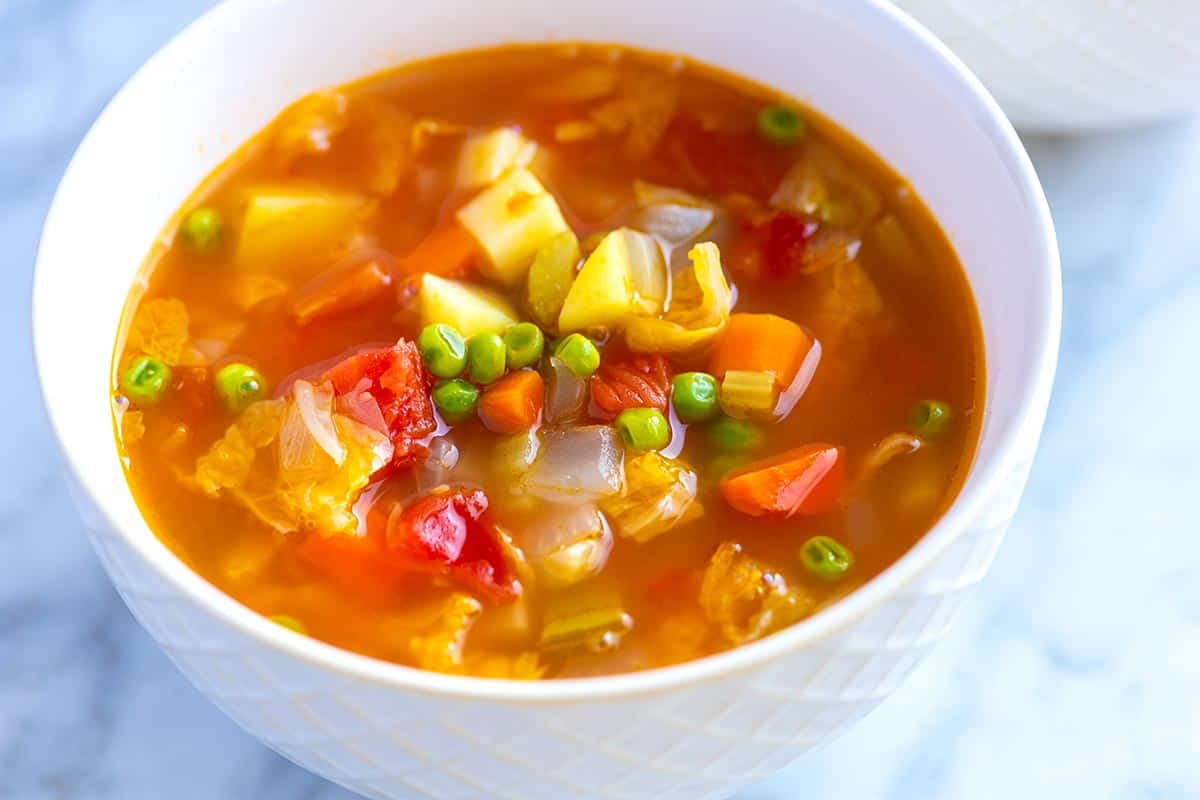
Easy Vegetable Soup Recipe: Healthy, Flexible & So Flavorful
There's something uniquely comforting about a warm bowl of homemade vegetable soup. It's the kind of meal that wraps you in a hug, nourishes your body, and satisfies your soul. Forget the bland, high-sodium versions found in a can; this easy vegetable soup recipe is a revelation. Bursting with fresh flavors, incredibly versatile, and surprisingly simple to prepare, it's destined to become a staple in your culinary repertoire. Whether you're seeking a healthy reset, a cozy dinner on a chilly evening, or simply a delicious way to use up ingredients, this flexible vegetable soup delivers every time.
Why This Easy Vegetable Soup Will Be Your New Favorite
What makes this particular vegetable soup stand out? It boils down to a few key factors that elevate it from a simple meal to a cherished experience:
- Unmatched Flavor: By utilizing fresh (and some frozen) ingredients and a thoughtful blend of seasonings, this soup achieves a depth of flavor that canned versions can only dream of. The natural sweetness of carrots, the earthy notes of potatoes, and the bright tang of tomatoes all shine through, creating a harmonious symphony of taste.
- Health Powerhouse: Jam-packed with a diverse array of vegetables, this soup is a nutritional MVP. It’s naturally low in calories and fat, rich in vitamins, minerals, and fiber, making it an excellent choice for a healthy diet, weight management, or simply boosting your daily vegetable intake.
- Effortless Preparation: Don't let the incredible taste fool you; this vegetable soup is remarkably easy to make. It primarily involves some chopping, a quick sauté to build a flavor base, and then a gentle simmer. Most of the cooking time is hands-off, allowing you to relax while the magic happens.
- Incredible Flexibility: This isn't just a recipe; it's a template. The beauty of this vegetable soup lies in its adaptability. You can swap vegetables based on what's seasonal, what's in your fridge, or what your family prefers. It's an excellent way to reduce food waste and truly make a meal your own.
- Fantastic Leftovers & Meal Prep: This recipe yields a generous pot, and trust us, you'll be glad it does. Vegetable soup tastes even better the next day as the flavors meld and deepen. It reheats beautifully, making it perfect for healthy lunches throughout the week or convenient dinners when you're short on time. It also freezes exceptionally well.
Crafting Your Perfect Bowl: Ingredients & Customization
The foundation of any great vegetable soup is, unsurprisingly, great vegetables. The reference recipe provides a fantastic starting point, but the true brilliance of this dish lies in its embrace of flexibility. Think of the suggested list as a friendly guide, not a rigid mandate.
Essential & Adaptable Vegetables for Your Soup
The core ingredients that often form the backbone of a delicious vegetable soup include:
- Aromatics: Yellow onion and garlic are non-negotiable for building a flavorful base. Sautéing them until fragrant sets the stage for everything else.
- Root Vegetables: Carrots and potatoes (or sweet potatoes) offer sweetness, starchiness, and body to the soup. They hold up well to simmering.
- Hearty Greens: Green beans add a fresh crunch and vibrant color. Tomatoes (diced or crushed) provide essential acidity and umami, balancing the richness of other vegetables.
- Quick-Cooking Staples: Peas and corn, whether fresh or frozen, add pops of sweetness and texture, best stirred in towards the end of cooking to maintain their vibrancy.
- Celery: Offers a subtle peppery note and classic soup flavor.
But don't stop there! This is where your creativity comes in. Consider these additions and substitutions:
- Seasonal Swaps:
- Spring/Summer: Zucchini, yellow squash, bell peppers (any color), fresh spinach or kale, asparagus.
- Autumn/Winter: Butternut squash, acorn squash, parsnips, turnips, leeks. These sturdier vegetables lend themselves beautifully to longer simmering times and contribute a wonderful autumnal richness.
- Leafy Greens: Stir in a few handfuls of fresh spinach or kale during the last 5-10 minutes of cooking. Their volume reduces significantly, and they add a boost of nutrients and a slightly earthy flavor.
- Legumes for Protein: For a heartier, more protein-packed best vegetable soup, incorporate a can of rinsed and drained kidney beans, cannellini beans, or chickpeas. They add a wonderful texture and make the soup more of a complete meal.
- Fresh vs. Frozen: Embrace both! While fresh vegetables offer unparalleled flavor and texture, frozen vegetables are a fantastic shortcut. They're often picked at their peak ripeness and flash-frozen, locking in nutrients. Using a mix, as suggested, gives you the best of both worlds – the freshness of hand-chopped aromatics and sturdier vegetables, combined with the convenience of pre-cut frozen peas or corn.
Unlocking Deeper Flavors: Herbs, Spices & Secret Touches
While the vegetables themselves contribute immense flavor, the right blend of herbs and spices elevates this easy vegetable soup from good to truly extraordinary. The beauty of this recipe is its mild base, allowing the vegetables to shine, but it’s incredibly welcoming to personalized flavor boosts.
The Art of Seasoning Your Vegetable Soup
A good quality vegetable broth (or chicken broth, if preferred) is essential. Beyond that, here's how to build incredible depth:
- Classic Herb Combos: Dried herbs like basil, thyme, oregano, and marjoram are pantry staples that impart a comforting, aromatic quality. Italian seasoning or Herbs de Provence offer a convenient and balanced blend. For fresh herbs, add them towards the end of cooking to preserve their bright flavors and vibrant color.
- Building Heat: For those who appreciate a bit of warmth, a pinch of red pepper flakes added during the sautéing of aromatics will infuse a subtle heat throughout the soup.
- Earthy & Exotic Notes: Paprika, especially smoked paprika, can add a beautiful color and a smoky depth. A dash of curry powder can transport your soup to a different culinary landscape, offering warm, complex spices.
- Umami Boosters:
- Parmesan Rind: A common chef's secret! Drop a clean, leftover Parmesan rind into the simmering soup. It slowly melts, infusing the broth with incredible savory, umami notes. Remove it before serving.
- Mushroom Powder: A spoonful of dried mushroom powder (available in specialty stores or online) can add a deep, earthy umami without changing the soup's texture.
- Acidity for Brightness: Just before serving, a small squeeze of fresh lemon juice or a splash of apple cider vinegar can dramatically brighten the flavors, cutting through any richness and making the vegetables taste even more vibrant. It's a small step that makes a huge difference.
Pro Tip: Taste your soup frequently as it simmers. Start with a conservative amount of seasonings and adjust as needed. Remember, you can always add more, but you can't take it away!
Cooking Methods & Meal Prep: Stovetop, Slow Cooker, & Instant Pot
One of the many reasons this vegetable soup recipe is so beloved is its adaptability across various cooking methods. Whether you prefer the classic stovetop simmer, the set-it-and-forget-it ease of a slow cooker, or the speed of an Instant Pot, this recipe performs beautifully.
Choosing Your Cooking Vessel
- Stovetop (Classic & Quickest):
This is the most common method and provides the quickest path to a delicious bowl of soup. You'll start by sautéing your onions and garlic in a large pot or Dutch oven to build a fragrant base. Add your harder vegetables (carrots, potatoes, celery) first, letting them soften slightly, then introduce the tomatoes, broth, and herbs to simmer. Tender vegetables like peas, corn, and leafy greens are added towards the end to maintain their texture and bright color. This method allows you to easily control the cooking process and adjust seasonings as you go.
- Slow Cooker (Effortless & Flavorful):
For those busy days, the slow cooker is your best friend. A crucial step for maximum flavor is to quickly sauté your onions and carrots on the stovetop for a few minutes before adding them to the slow cooker, along with the garlic. This caramelization adds a depth that raw aromatics won't provide. Combine with potatoes, tomatoes, green beans, herbs, broth, salt, and pepper. Cook on high for about 3 hours or on low for 6-7 hours, until the vegetables are tender. Stir in peas and corn during the final 30 minutes of cooking to prevent them from becoming mushy. The long, slow simmer truly allows the flavors to meld beautifully.
- Instant Pot (Speed & Convenience):
When time is of the essence, the Instant Pot delivers. Utilize the sauté function to brown your onions, carrots, and garlic right in the pot. Then, add all other vegetables (excluding delicate ones like spinach, peas, and corn), broth, and seasonings. Secure the lid, set to high pressure, and cook for a short period (typically 5-7 minutes, depending on desired vegetable tenderness), followed by a quick release. Stir in your delicate vegetables and let them warm through in the residual heat. It's an incredibly efficient way to get a flavorful, wholesome meal on the table fast.
Freezing & Reheating for Maximum Convenience
This easy vegetable soup is a meal prepper's dream. It freezes exceptionally well and reheats beautifully without losing its texture or flavor. Once completely cooled, transfer the soup to airtight containers or freezer-safe bags, leaving a little headspace if using containers, as liquids expand when frozen. It will keep in the freezer for up to 3 months. To reheat, thaw overnight in the refrigerator or gently warm from frozen on the stovetop over low heat, stirring occasionally, or in the microwave. Add a splash of extra broth or water if it seems too thick.
Serving Suggestions
While this vegetable soup is a satisfying meal on its own, it pairs wonderfully with a few simple accompaniments. Serve it alongside a crusty loaf of No Knead Bread, warm 1 Hour Dinner Rolls, or a light side salad. For an extra touch, a sprinkle of fresh parsley or a dollop of pesto can brighten each bowl.
There you have it—a comprehensive guide to creating an easy, healthy, flexible, and utterly delicious vegetable soup. It's more than just a recipe; it's an invitation to experiment, adapt, and savor the simple goodness of fresh ingredients. This homemade version will undoubtedly win over hearts and taste buds, proving that a little effort goes a long way in creating truly comforting and flavorful meals. So go ahead, gather your favorite vegetables, and get ready to enjoy a bowl of pure goodness that truly tastes like home.
